Carro elétrico pega fogo dentro de concessionária da Volvo no Nordeste
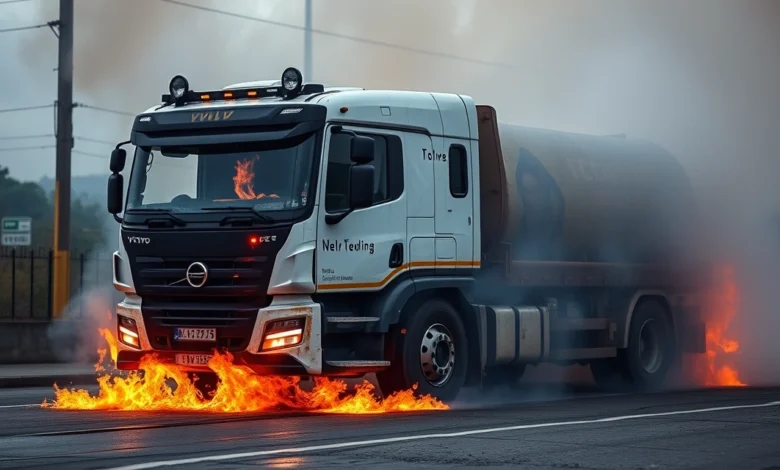
Carro elétrico pega fogo dentro de concessionária da Volvo no Nordeste
Carro elétrico pega fogo dentro de concessionária da Volvo no Nordeste captured immediate attention when an electric vehicle caught fire inside a Volvo dealership in the Northeast region. The incident prompted a rapid emergency response: teams from the Corpo de Bombeiros were called and managed to contain the flames before the fire spread to other establishments. This article examines what happened, the implications for safety and risk management, and practical advice for dealerships, EV owners, and emergency services.
You will learn a clear incident summary, the benefits of proper EV safety protocols, step-by-step processes for emergency response and prevention, best practices for dealerships and customers, and common mistakes to avoid. Read through the suggested actions and FAQ to become better prepared for similar situations and to understand how authorities like the Corpo de Bombeiros operate in these scenarios.
Incident overview: What happened and why it matters
According to reports, a carro elétrico erupted in flames while on display inside a concessionária Volvo in the Nordeste region. The presence of staff and nearby businesses increased the potential for a larger incident. Fortunately, the corpo de bombeiros arrived promptly and contained the incêndio before it could spread to neighboring properties, minimizing property damage and preventing injuries.
This event highlights the unique fire risks associated with high-voltage battery systems in electric vehicles, and it underscores the need for clear safety protocols at dealerships and service centers. Proper planning, training, and physical precautions can substantially reduce the chance of escalation and improve outcomes when fires do occur.
Benefits and advantages of robust EV safety protocols
Adopting formal safety measures provides measurable benefits for dealerships, customers, and emergency responders.
- – Reduced risk of escalation: Clear containment zones and fire suppression systems lower the chance of an incident spreading to adjacent businesses.
- – Faster emergency response: Trained staff can provide accurate information to first responders, improving response time and effectiveness.
- – Customer trust and reputation: Demonstrated commitment to safety enhances brand credibility and protects long-term business interests.
- – Regulatory compliance and insurance advantages: Meeting or exceeding safety standards can reduce liability and insurance costs.
Real-world example
In this case, prompt activation of emergency protocols and immediate notification of the corpo de bombeiros resulted in containment before the flames reached other establishments. This outcome illustrates how preparation and coordination yield significant advantages.
How-to steps and process for dealing with an EV fire at a dealership
Dealerships should follow a structured process to manage risks and respond effectively if a carro elétrico pega fogo dentro de concessionária da Volvo no Nordeste or similar incident occurs.
Immediate response – first 0 to 10 minutes
- – Evacuate the area: Clear all staff and customers from the immediate vicinity and maintain a safe perimeter.
- – Call emergency services: Dial the local emergency number and inform responders you have an electric vehicle fire; ask for the corpo de bombeiros.
- – Disconnect power sources if safe: If trained personnel can safely disconnect the vehicle from external chargers or facility power, do so. Do not attempt high-voltage interventions without training.
Secondary actions – 10 to 60 minutes
- – Provide responder access and information: Designate a staff member to meet firefighters, provide vehicle VIN, battery type, and any charging history.
- – Contain fluids and debris: Use barriers to limit runoff and prevent spread of contaminated water, if safe to do so.
- – Document the incident: Take photos and notes for insurance and regulatory reporting after responders permit reentry.
Post-incident recovery
- – Coordinate with the manufacturer: Notify Volvo or the relevant OEM for technical guidance and investigation support.
- – Engage forensic analysis: If necessary, allow battery specialists to determine root cause and battery condition.
- – Communicate with stakeholders: Provide transparent updates to customers, staff, insurers, and local authorities.
Best practices for dealerships, staff, and EV owners
Consistent application of best practices reduces risk and creates a safer environment for sales, storage, and servicing of electric vehicles.
- – Training and drills: Conduct regular training for staff on EV-specific fire hazards and evacuation procedures. Practice drills with local fire departments to refine coordination.
- – Install suitable suppression systems: Evaluate and install fire suppression systems appropriate for high-energy battery fires, such as water-mist systems where applicable and recommended by safety engineers.
- – Design safe display and storage areas: Keep adequate spacing between vehicles, provide ventilation, and avoid stacking vehicles in enclosed areas.
- – Manage charging infrastructure: Implement monitored charging stations with automatic disconnects and thermal monitoring alarms.
- – Pre-sales inspection: Verify battery integrity and charging system condition before allowing vehicles on display or test drives.
Practical tip
Keep a log of charging sessions for each vehicle used in the dealership, including start and stop times, charger model, and any anomalies. This log can be critical if an investigation into an incêndio is required.
Common mistakes to avoid
Avoiding common errors can prevent incidents or limit their consequences. The following mistakes were evident in multiple case studies of dealership fires involving electric vehicles.
- – Poorly maintained chargers: Using outdated or damaged charging equipment increases risk. Regular inspection is essential.
- – Inadequate training: Assuming staff understand high-voltage risks without formal training can lead to inappropriate actions during an emergency.
- – Insufficient separation: Storing multiple EVs too closely in enclosed areas increases the chance of a single fire affecting multiple vehicles and properties.
- – Delayed notification of emergency services: Hesitation to call the corpo de bombeiros or provide accurate information can worsen outcomes.
- – Attempting to extinguish battery fires with inappropriate methods: Not all suppression techniques are effective against lithium-ion battery fires; follow responder guidance.
Example scenario
A dealership that charged multiple display vehicles overnight in an unmonitored area experienced overheating without alarms. When the fire began, delayed detection allowed the blaze to intensify. This reiterates the need for monitored chargers and alarm systems tied to staff notification and emergency services.
Actionable recommendations
Based on the incident where carro elétrico pega fogo dentro de concessionária da Volvo no Nordeste, implement the following immediately:
- – Audit charging infrastructure: Conduct a technical audit of all charging equipment and replace outdated units.
- – Create an emergency response quick card: Post clear instructions at charging stations and dealer desks that list emergency numbers, EV-specific hazards, and immediate evacuation steps.
- – Schedule joint drills: Invite the local corpo de bombeiros to conduct at least one annual drill focused on EV incidents.
- – Establish a communication plan: Prepare templates for internal notifications and public statements to maintain transparency and trust in the event of an incident.
FAQ
What caused the fire in the Volvo dealership in the Northeast?
Investigations into EV fires often focus on battery cell failure, thermal runaway, electrical short circuits, or charging equipment malfunction. In the reported case of carro elétrico pega fogo dentro de concessionária da Volvo no Nordeste, specifics are subject to official investigation. The immediate containment by the corpo de bombeiros limited further damage while technical teams assess root cause.
Are electric vehicle fires more dangerous than gasoline vehicle fires?
Electric vehicle fires involve high-voltage batteries that can undergo thermal runaway and may reignite hours or days after initial suppression. However, gasoline vehicle fires are also highly dangerous. The key is understanding that EV fires require different suppression and monitoring techniques. Trained responders and proper equipment are critical for safe mitigation.
What should dealership staff do if a carro elétrico pega fogo dentro de concessionária da Volvo no Nordeste?
Immediately evacuate customers and staff, call the corpo de bombeiros, and inform them the incident involves an electric vehicle. Avoid attempting high-voltage interventions unless personnel are trained. Provide responders with vehicle identification and charging history when possible.
How can dealerships reduce the risk of an EV fire?
Implement regular maintenance and inspection of chargers, train staff on EV hazards, maintain separation between vehicles, use monitored charging systems with alarms, and practice emergency evacuation and response drills with local fire services.
Will insurance cover damages from an EV fire at a dealership?
Insurance coverage depends on policy terms. Commercial property and liability insurance usually cover fire damage, but specific exclusions or requirements may apply for EV-related incidents. Document the incident thoroughly, notify insurers promptly, and provide all requested evidence including maintenance logs and charging records.
How did the Corpo de Bombeiros contain the fire before it spread?
While operational details vary, containment typically involves rapid isolation of the affected vehicle, application of appropriate suppression tactics, cooling to prevent thermal propagation, and establishing a safety perimeter. Coordination with dealership staff to secure information and access also speeds operations.
Conclusion
Carro elétrico pega fogo dentro de concessionária da Volvo no Nordeste underscores the reality that electric vehicle incidents can occur in public and commercial settings. The positive outcome in this event was due to rapid action: teams from the Corpo de Bombeiros were called and successfully contained the flames, preventing wider damage. The main takeaways are clear:
- – Preparation saves lives and property: Invest in training, monitored charging, and physical safeguards.
- – Coordination with emergency services is essential: Establish relationships with the local corpo de bombeiros and run joint drills.
- – Transparent documentation matters: Keep charging logs, maintenance records, and incident reports for accountability and recovery.
Next steps: Conduct an immediate safety audit of your dealership or facility, schedule an EV-specific training session with local fire services, and update emergency response plans. If you manage or work at a dealership, contact your manufacturer support and insurer to confirm technical and financial protections. Act now to reduce risk and ensure safety for staff, customers, and neighboring businesses.
Original Source
Este artigo foi baseado em informações de: https://autopapo.com.br/curta/carro-eletrico-pega-fogo-dentro-de-concessionaria-da-volvo-no-nordeste/