Descubra se os carros automáticos têm freio motor e como ele funciona!
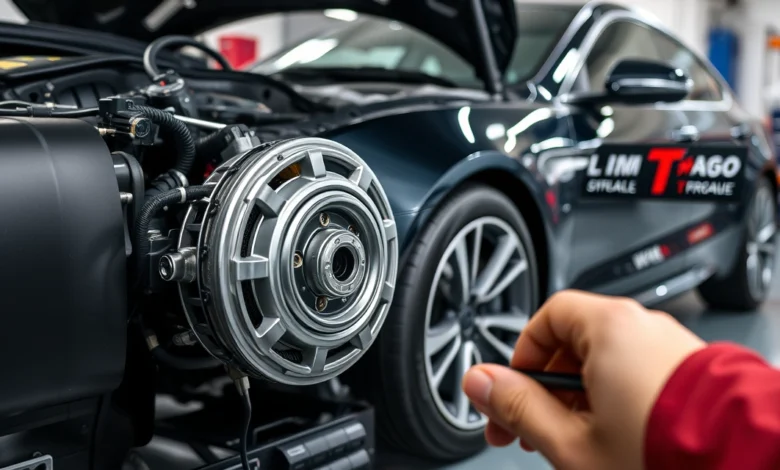
Discover If Automatic Cars Have Engine Braking and How It Works!
For many drivers, the transition from traditional manual vehicles to automatic cars raises several questions, particularly regarding the vehicle’s mechanics. One common query that frequently arises among motorists is whether automatic cars possess engine braking capabilities. This topic may seem complex at first glance, but it has a simpler explanation than one might think. In this article, we will delve into the workings of engine braking in automatic cars, demystify the mechanics behind it, and provide valuable driving tips for better vehicle control.
As automatic cars become increasingly popular due to their ease of use, understanding their features becomes crucial for safe and efficient driving. Motorists often seek clarity on engine braking, particularly in terms of how it affects vehicle performance, fuel efficiency, and overall driving experience. In the following sections, we will explore what engine braking is, how it operates in automatic vehicles, and why it matters for drivers.
What Is Engine Braking?
Engine braking is a process where the engine slows down the vehicle without relying solely on the traditional brake system. This is accomplished by shifting the gears to a lower ratio, which allows the engine’s resistance to slow the car down. When a driver takes their foot off the accelerator pedal, the throttle valve closes, and the engine creates a vacuum that resists the car’s motion. This phenomenon can be particularly useful in certain driving scenarios, such as descending steep hills or reducing speed without overheating the brakes.
Do Automatic Cars Have Engine Braking?
Yes, automatic cars do have engine braking capabilities, albeit in a different manner compared to manual vehicles. While manual cars allow drivers to downshift gears manually to engage engine braking, automatic vehicles often do this automatically. However, the extent to which engine braking can be utilized in automatic cars may vary depending on the type of transmission and the specific make and model of the vehicle.
Types of Automatic Transmissions
To better understand engine braking in automatic cars, it’s essential to recognize the various types of automatic transmissions:
- Conventional Automatic Transmission: This type of transmission uses a torque converter to automatically shift gears based on speed and acceleration. Engine braking occurs automatically when the driver releases the accelerator.
- Continuously Variable Transmission (CVT): CVTs provide seamless gear transitions and can also engage engine braking. The engine’s RPM is adjusted based on driving conditions, allowing for a more efficient braking process.
- Dual-Clutch Transmission (DCT): This advanced transmission type combines manual and automatic functionalities. DCTs can offer engine braking similar to manual vehicles, giving drivers more control over deceleration.
How Does Engine Braking Work in Automatic Cars?
The mechanics of engine braking in automatic cars involve several key components working together. Here’s a breakdown of how it functions:
Throttle and Vacuum Creation
When the driver releases the accelerator pedal, the throttle valve closes. This closure creates a vacuum in the engine, which generates resistance against the vehicle’s forward motion. This resistance helps slow down the car without activating the brake pads, reducing wear on the braking system.
Transmission Control
In conventional automatic transmissions, the transmission control module (TCM) monitors the vehicle’s speed and acceleration. When the driver eases off the accelerator, the TCM may automatically downshift to a lower gear, enhancing the engine’s braking effect. The timing and responsiveness of this process can vary based on the vehicle’s design and performance settings.
Engine RPMs
As the vehicle slows, the engine RPMs decrease. In automatic cars, maintaining a proper RPM range is crucial to ensure effective engine braking. If the engine operates at too low an RPM, the braking effect may diminish, making it vital for drivers to understand their vehicle’s capabilities.
Benefits of Engine Braking in Automatic Cars
Understanding the benefits of engine braking can enhance a driver’s overall experience and improve vehicle handling. Here are some key advantages:
- Reduced Brake Wear: By relying on engine braking, drivers can minimize the use of traditional brakes, leading to less wear and tear on brake pads and rotors.
- Improved Control: Engine braking provides additional control during deceleration, particularly on downhill slopes, enhancing overall safety.
- Fuel Efficiency: Engine braking can improve fuel efficiency by reducing the need for constant acceleration and braking, allowing for smoother driving patterns.
- Enhanced Stability: Utilizing engine braking helps maintain vehicle stability during sudden stops or when navigating slippery surfaces.
Driving Tips for Effective Use of Engine Braking
While engine braking is an automatic feature, drivers can enhance its effectiveness by following these driving tips:
Know Your Vehicle
Understanding your specific make and model is essential for effective engine braking. Refer to the owner’s manual for guidance on how your vehicle’s transmission works and the best practices for utilizing engine braking.
Monitor Your Speed
Pay attention to your speed, especially when driving downhill. Anticipate when to ease off the accelerator to engage engine braking effectively without compromising safety.
Combine Braking Techniques
While engine braking can be beneficial, it’s important to combine it with traditional braking methods when necessary. Use engine braking to assist in slowing down, but apply the brakes as needed for complete control.
Practice Smooth Transitions
Avoid sudden acceleration or deceleration, which can disrupt the engine’s braking effect. Instead, practice smooth transitions to maintain a steady driving rhythm.
Frequently Asked Questions (FAQ)
1. Can I control engine braking in an automatic car?
While engine braking is primarily automatic, some vehicles allow manual control through features like “manual mode” or paddle shifters, enabling drivers to downshift gears as needed.
2. Is engine braking safe in automatic cars?
Yes, engine braking is safe and can enhance vehicle control, especially during deceleration. However, it’s essential to combine it with traditional braking when necessary for optimal safety.
3. Does engine braking work the same in all automatic cars?
No, the effectiveness of engine braking can vary depending on the type of automatic transmission and the vehicle’s design. Always refer to the owner’s manual for specific guidance.
4. How can I tell if my automatic car is using engine braking?
You can feel the vehicle decelerating more smoothly without relying solely on the brake pedal. Additionally, listening to engine RPMs may indicate when engine braking is engaged.
5. Is engine braking better than using the brakes?
Engine braking has its advantages, such as reducing brake wear and enhancing control. However, it’s best used in conjunction with traditional brakes for optimal safety and performance.
Conclusion
In conclusion, automatic cars do indeed have engine braking capabilities, which can significantly enhance vehicle control and safety during driving. By understanding how engine braking works and following practical driving tips, motorists can effectively utilize this feature to improve their driving experience. Whether navigating steep hills or simply looking to enhance fuel efficiency, engine braking can be a valuable asset for drivers of automatic vehicles. As always, being well-informed about your vehicle’s mechanics and features will lead to safer and more enjoyable driving.
📰 Original Source
Este artigo foi baseado em informações de: https://autopapo.com.br/blog-do-boris/freio-motor-carro-automatico/